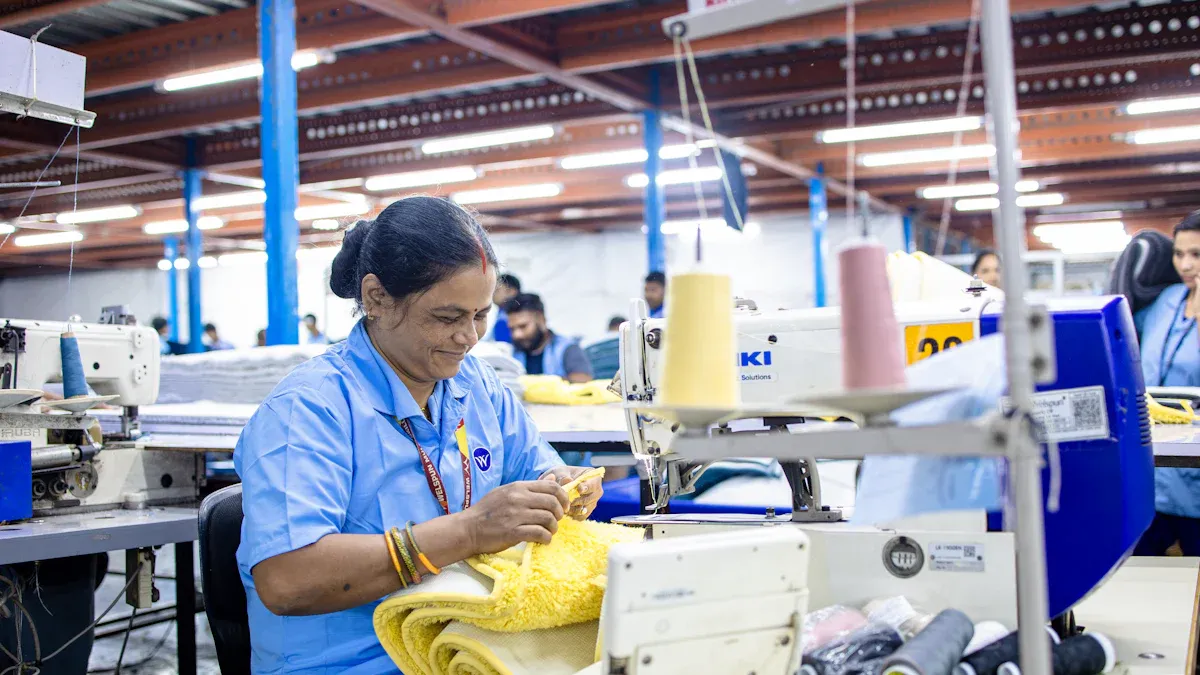
If you want to find good Sportswear Clothing Manufacturers in 2025, you need a clear plan. First, decide what you need and set strong rules. Look at catalogs and ask for samples. Make sure the manufacturer makes sportswear. Talk openly so you do not get surprises. Good brands check these things:
Manufacturer’s reputation
Sustainability and ethical practices
Innovation in design and technology
Key Takeaways
Decide what you need before you look for a manufacturer. Think about the sportswear you want. Choose the styles and materials you like.
Ask for samples to check product quality. Try them to see if they are comfortable. Make sure they last long and work well. This helps you know if they are good enough.
Look up manufacturers carefully. Use websites to find them. Read what other people say in reviews. Go to trade shows to meet good partners.
Talk clearly with your manufacturer. Good talking helps build trust. It stops problems from happening when making your products.
Make sure your quality goals are easy to understand. Check your products often. This helps your sportswear stay good for customers. It also keeps your brand strong.
Define Your Needs
Product & Customization
Before you start searching, think about what kind of sportswear you want to create. Do you want high-tech fabrics, bold designs, or something classic? In 2025, customization trends are changing fast. Many brands now ask for tech-integrated clothing, AI-generated designs, and even chaotic, bold styles that stand out. You might want to check out this table to see what’s popular:
Trend | Description |
|---|---|
Tech-Integrated Clothing | Combines fashion with function, like moisture-wicking and UV protection. |
AI-Generated Designs | Unique looks made with AI, perfect for personal style. |
Sustainable Production | Uses eco-friendly materials and ethical practices. |
Chaotic Customization | Wild colors and designs, loved by Gen Z. |
Retro and Vintage Revival | Old-school styles with a modern twist. |
Minimalist Branding | Clean lines and small logos, great for teams and businesses. |
You can also look for inclusive sizing, bold prints, and lightweight fabrics. These features help your brand connect with more people and keep them comfortable.
Order Size & Budget
Now, let’s talk numbers. You need to know how many pieces you want to order and how much you can spend. Most Sportswear Clothing Manufacturers in 2025 have set minimum order quantities (MOQs). Here’s a quick look:
Clothing Category | |
|---|---|
Activewear | 100–300 pieces |
General Sportswear | 20–50 pieces |
If you’re just starting, you might want to find a manufacturer with a lower MOQ. This way, you can test your designs without spending too much.
Branding Goals
Your branding goals shape everything. Think about the colors, logos, and stories you want your sportswear to tell. The right manufacturer will help you bring your vision to life. Here are a few ways your goals matter:
Your brand’s look depends on color, style, and graphics.
The manufacturer you choose affects how your products look and feel.
Good branding creates a strong connection with your customers.
When you know what you want, you can find a manufacturer who matches your style and helps your brand stand out.
Set Criteria
Quality Standards
When you look for Sportswear Clothing Manufacturers, you want to make sure their products are good. Good quality means your sportswear will last longer and feel nicer. You can check quality by seeing what top brands do. Here’s a table that shows how some top manufacturers keep their standards high:
Manufacturer | Key Practices |
|---|---|
Athleta | Uses sustainable fibers in 60% of materials, aims for 80%. Eco-friendly materials like recycled polyester and organic cotton. |
Girlfriend Collective | Focuses on eco-friendly production, uses post-consumer waste, and has Standard 100 certification by Oeko-Tex. |
VizApparel Ltd. | Prioritizes eco-friendly materials, with over 60% certified by recognized standards, and recycles 85% of fabric scraps. |
Seam Apparel Inc. | Emphasizes performance with moisture-wicking materials and strict testing for comfort and durability. |
You can ask for samples and see if the manufacturer does these things. If they do, you know you are getting good quality.
Experience & Specialization
You should pick Sportswear Clothing Manufacturers who focus on sportswear. Specialization means they know what athletes and active people need. Here’s why it matters:
Specialized manufacturers use better materials and care about durability.
They often try new things, like 3D printing and eco-friendly fabrics.
Sportswear needs to last. Most people want clothes that can handle tough workouts and daily use.
Many amateur athletes buy sportswear, so strong textiles help your brand reach more people.
If you choose a manufacturer with sportswear experience, you get better products and more new ideas.
Materials & Technology
Materials and technology change quickly in 2025. Top Sportswear Clothing Manufacturers use new materials to make gear lighter and stronger. You might see carbon-fiber composites in bikes and ski poles. These materials are 30 to 40% stronger than old ones. Some brands use nanotechnology, like graphene-infused laminates, to make sports equipment last longer. You can also find bio-based composites and recycled fibers. Smart textiles with sensors help athletes track their performance.
Tip: Always ask your manufacturer about the materials and technology they use. If they give samples, test them for comfort and strength.
Sustainability
Sustainability is very important now. Many people want eco-friendly sportswear. You should look for manufacturers who use recycled fibers, organic cotton, and other green materials. Some brands recycle fabric scraps and use less water when making clothes. If your manufacturer cares about the planet, your brand will stand out.
Eco-friendly practices help your brand look responsible.
Sustainable materials bring in more customers.
You can ask for certifications, like Oeko-Tex or Global Organic Textile Standard.
Communication
Good communication helps you work well with your manufacturer. You want a manufacturer who listens and gives updates. Here’s a table showing what makes communication work well:
Practice | Description |
|---|---|
Authenticity | When your values match the manufacturer’s, your brand feels real and trustworthy. |
Long-term Relationships | Working together for a long time helps both sides grow and improve. |
Allow Athlete Creativity | Letting athletes help design sportswear leads to better products and happier customers. |
Social Responsibility | Supporting social causes makes your brand more meaningful and connects with modern buyers. |
If you talk openly and share ideas, you avoid problems and build trust. You can ask questions and get honest answers. This way, you always know what is happening.
Research Sportswear Clothing Manufacturers
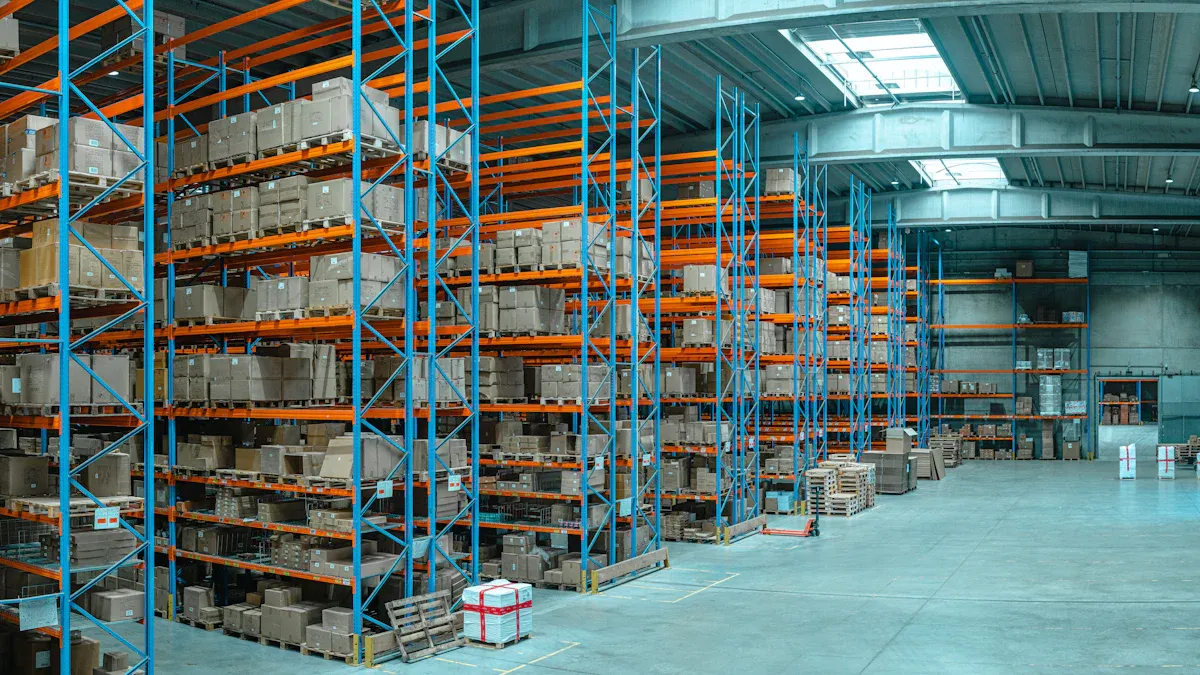
It takes work to find good Sportswear Clothing Manufacturers. You need to trust the people who make your designs. Here are some ways to research and connect with partners.
Online Platforms
Start your search on the internet. Many websites help you find and compare manufacturers. These sites show what each company offers and how they compare.
Directory sites let you look at many manufacturer profiles. You can read details and see reviews from other brands.
B2B platforms like Alibaba, Thomasnet, Maker’s Row, and SaleHoo connect you with Sportswear Clothing Manufacturers worldwide.
Social media and networking sites, like LinkedIn, Facebook groups, and Reddit forums, give you real feedback and tips from people in the business.
Tip: Always check if the manufacturer has a full profile and recent posts. This means they are active and ready to work.
Catalogs & Samples
Catalogs and samples show what a manufacturer can do. You want to see their past work and what they offer.
Look at the quality of their products. Check if they worked with big brands and ask for feedback from old clients.
A large catalog gives you more choices. You can find many types of sportswear and see if they fit your needs.
Customization is important. Make sure the manufacturer lets you change designs, colors, and fabrics for your brand.
Always ask for samples. Samples help you find problems before you order a lot. You can check the stitching, fabric, and fit.
Note: Never skip asking for samples. It helps you avoid problems and feel sure about your choice.
Reviews & References
What people say about a manufacturer is important. Reviews and references show how the company works.
Check the manufacturer’s reputation. Look for reviews, testimonials, and case studies from other brands.
Good feedback means the manufacturer is reliable and skilled.
Ask for references. Talk to other clients if you can. They can tell you about quality, delivery, and customer service.
If you see lots of good reviews and happy customers, you are on the right path.
Trade Shows
Trade shows let you meet manufacturers face-to-face. You can see products and talk to company reps.
Benefit | Description |
|---|---|
You talk directly and check product quality. | |
Speed Dating | You meet many suppliers fast and compare their offers. |
Trend Spotting | You see new styles and products before they are sold. |
Finding out about new materials | Discover new and eco-friendly materials for your next collection. |
Meeting new wholesale suppliers | Find new partners and see their products in person. |
Learning about new production techniques | Learn new ways to make sportswear that could help your products. |
Practice your negotiation and market analysis skills in real-life situations. |
Trade shows help you build trust. You can ask questions, touch fabrics, and try samples. This hands-on time makes it easier to pick the right Sportswear Clothing Manufacturers for your brand.
Compare & Assess
Sample Evaluation
You want your sportswear to look good and last long. When you get samples, try them out in real life. Wash them a few times and see what happens. Check if the size changes or if the colors fade. Stretch the fabric and see if it goes back to normal. Wear the sample and move around in it. Is it comfy? Does it let air through? Here’s a table that shows what to check:
Test Component | Purpose | Key Measurements |
|---|---|---|
Laundering Cycles | Measures size changes after washing | Shrinkage percentage |
Wear Simulation | Tests shape retention during use | Deformation patterns |
Heat Exposure | Evaluates stability under temperature | Recovery rate |
Stretch Recovery | Assesses fabric’s elasticity | Elasticity percentage |
You should also check if it keeps sweat away, lets skin breathe, and blocks UV rays. If the sample does well on these tests, you are making a good choice.
Tip: Always ask for more than one sample in different colors and sizes. This helps you find problems before you buy a lot.
References Check
Checking references helps you avoid problems. Ask the manufacturer for names of brands they worked with. Contact those brands and ask about their experience. Did the manufacturer deliver on time? Was the quality good? Did they help fix any issues? You can also look at their past work. If you see strong activewear collections, that’s a good sign.
Ask for samples of their old work.
Check if they focus on sportswear.
Make sure they can handle your order size and deadlines.
If other brands trust them, you can feel better about picking them.
Compliance Review
You want your sportswear to meet high standards. Look for manufacturers with certifications like ISO 9001:2015 for quality, WRAP for ethical practices, and B Corp for social responsibility. Fair Trade and SA8000 show they treat workers well. BetterWork means they care about labor conditions. FSC is important if you use materials from forests.
Certification Name | Description |
|---|---|
ISO 9001:2015 | Consistent quality and customer satisfaction |
WRAP | Lawful, humane, and ethical manufacturing |
B Corp Certification | High social and environmental standards |
Fair Trade Certification | Fair wages and safe working conditions |
SA8000 | Ethical and socially responsible practices |
BetterWork | Improved labor conditions |
FSC | Responsible forest management |
Note: Certifications show your brand cares about quality, people, and the planet. Always ask for proof before you sign a contract.
Negotiate & Confirm
Pricing & Terms
When you start talking about prices, you want a good deal. You should not hurt your relationship with the manufacturer. In 2025, sportswear manufacturers look at direct costs like fabric and labor. They also look at trims and shipping. Indirect costs include marketing and admin expenses. Most manufacturers want to make at least 50% profit over what it costs to make the goods. They change prices if market trends shift or other brands do something new.
Here are some smart ways to negotiate:
Be reliable and talk often to build trust.
Make sure both sides get something good.
Try to learn what is most important to your supplier.
Know your backup plan so you have power.
Treat your supplier well to keep the partnership strong.
Tip: Always ask for a clear list of costs. This helps you avoid surprise fees for things like packaging or rush orders.
Timelines
You need to know how long making your order will take. In 2025, most sportswear manufacturers need 8 to 24 weeks to finish an order. The time depends on how big your order is. It also depends on the materials you pick and how busy the factory is. Shipping and moving products adds more time.
The steps in making sportswear usually go like this:
Design and Tech Pack: 1–2 weeks
Sampling and Fitting: 2–4 weeks
Sourcing and Pre-Production: 1–3 weeks
Bulk Manufacturing: 2–8 weeks
Quality Control and Finishing: 1–2 weeks
Logistics and Distribution: 1–3 weeks
If you want custom or fancy sportswear, it will take longer. Always ask for a timeline and check if the manufacturer can meet your deadlines.
Agreements
Before you agree to work together, make sure your contract covers everything important. A strong contract keeps you safe and helps you avoid problems later. Here’s what you should include:
Key Element | Description |
|---|---|
Stops surprise charges for packaging, labeling, and rush orders. | |
Penalty clauses for late deliveries | Makes sure the manufacturer is responsible for missed deadlines. |
Warranty policies | Explains how to return bad products and get help after shipping. |
Fabric and raw material inspections | Tests for strength, water resistance, and color staying bright. |
Inline production checks | Checks seams, patterns, and stitches during making. |
Final product testing | Tests for waterproofing and how the clothes hold up when worn. |
Note: Look at every part of your contract. Ask questions if you do not understand something. A good contract keeps your business safe and your products good.
Final Steps
Contract Review
You are almost ready to work with your manufacturer. Before you sign, read your contract slowly and carefully. A good contract keeps you and your brand safe. You need to know what you are agreeing to. Look for details about price, delivery dates, and what happens if things go wrong. Make sure the contract says how you pay and what happens if there are delays.
Here is a table to help you check the last steps before you agree:
Step | Description |
|---|---|
1 | Approve samples before making lots of products. |
2 | Plan checks during production to see how things are going. |
3 | Do final checks before shipping to catch problems. |
4 | Write a legal agreement that covers price, delivery, and problems. |
5 | Build trust by paying on time and talking clearly. |
Look for legal rules in your contract. Make sure you know the payment plan, including any set fees or royalties. Check for a rule about bad behavior so you know what breaks the contract. Look for a rule that protects you if something goes wrong. If you want to use endorsements, say who can speak for your company. It is smart to talk to a lawyer about endorsements so you do not have problems.
Tip: Always ask questions if you do not understand your contract. It is better to be safe than to make mistakes.
Ongoing Quality
After you start working with your manufacturer, keep checking your sportswear. You want your products to be good every time. Set clear goals for quality and make a plan to reach them. Regular checks help you find problems early. Testing helps you spot mistakes before customers do. Make sure your products follow world rules and match what your customers want.
Description | |
|---|---|
Inspection Processes | Checks if products fit well, last long, and look good. |
Testing Procedures | Finds and fixes problems from start to finish. |
Compliance with Standards | Makes sure products follow world rules and customer needs. |
Keep good records and change your rules as you learn more. Teach your team what to look for. Study results and make changes when needed. Pay bills on time and talk clearly with your manufacturer. Give feedback to help make things better.
Set goals for quality.
Find risks and write them down.
Make rules and teach your team.
Check products and study results.
Fix problems when you find them.
Note: Checking quality often helps your brand grow and keeps your customers happy.
You can find a good sportswear manufacturer if you follow steps. First, make a strong plan and do your research. Do not skip checking quality or ignore feedback from others. Pick manufacturers who know sportswear well. They use better materials and new technology. They also help your brand look special. Talk clearly and set rules so everyone knows what to do.
Best Practice | Description |
|---|---|
Transparency | Helps people trust you and believe in your brand. |
Regular Updates | Makes sure everyone knows what is happening. |
Stay sure of yourself. The sportswear market is getting bigger. If you make smart choices now, your brand will do well later.
FAQ
How do you check if a sportswear manufacturer is legit?
Ask for business licenses and certifications. Search for reviews from other brands. You can also request references. If the manufacturer hesitates, that’s a red flag.
Tip: Trust your gut. If something feels off, keep looking.
What’s the best way to communicate with manufacturers?
Use email for important details. Try video calls for quick questions or to build trust. Always keep records of your conversations.
Email for contracts and orders
Video calls for fast updates
Can you order small quantities to start?
Yes, many manufacturers offer low minimum order quantities (MOQs). This helps you test your designs before making a big investment. Always ask about their MOQ before you commit.
How long does it take to get your first order?
Most orders take 8 to 24 weeks. The timeline depends on your design, order size, and the manufacturer’s schedule. Ask for a clear timeline before you place your order.